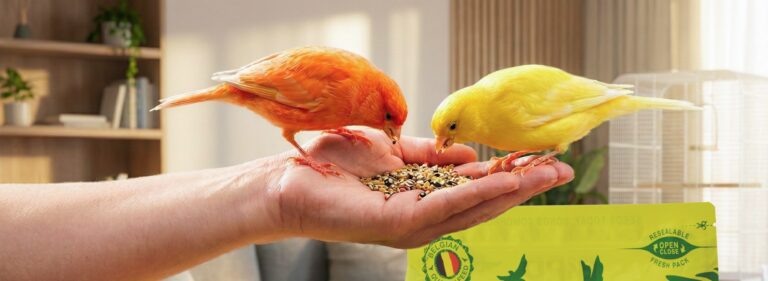
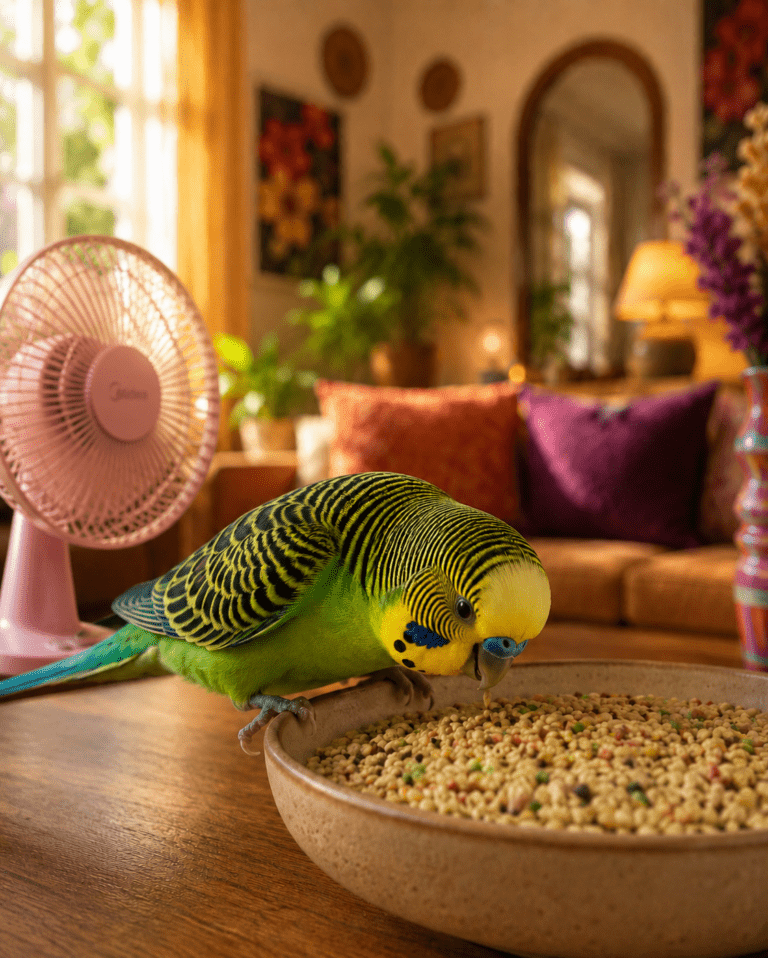
Anyone who keeps a bird will ask themselves the same question sooner or later: what do birds really like to eat?
It seems simple: some seeds, maybe a bit of bread… but in reality, it’s a little more nuanced. The right nutrition makes all the difference to your bird’s health, energy, and quality of life.
Seeds as a base, but with nuance
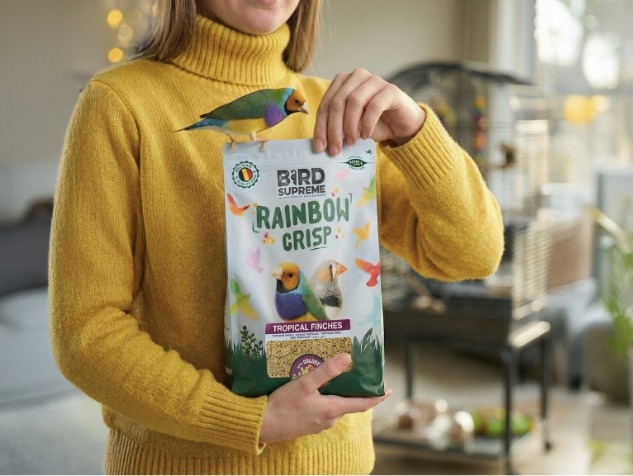
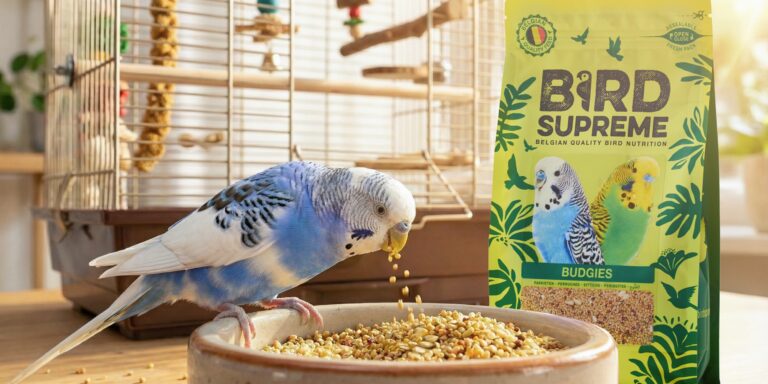
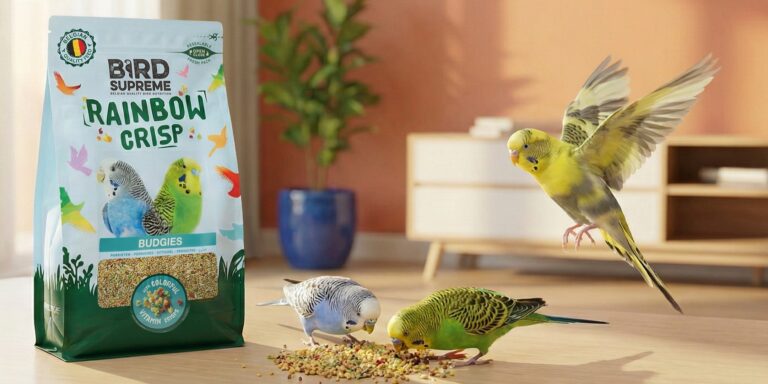
For many birds, seeds form the basis of their diet. Especially with ornamental birds like budgies, you often see seed mixes with various grains and kernels. However, it is important to look at these critically. Some mixes, for example, contain a lot of sunflower seeds, which are popular but also quite fatty. This makes them more of a snack than a main course. When a bird eats exclusively seeds, it often doesn't get all the nutrients it needs. It might seem sufficient, but in the long term, it can cause deficiencies. That's why we have carefully put together two mixes: Essentials and Rainbow Crisp. Our Essentials mix contains all the daily nutrients a bird needs, and our Rainbow Crisp mix is supplemented with vitamins A, D, and E.
Why fresh food is so important
That's why it's essential to also offer fresh food. Fruits and vegetables bring variety and provide a natural source of vitamins and minerals. It's not just about health, but also about the experience. New flavours and textures pique their curiosity and make eating more interesting.
Proteins and minerals: the silent building blocks
Birds also need protein, especially during periods when their bodies are under extra strain, such as during moulting. At that time, they renew their feathers and need extra building blocks. By occasionally providing protein-rich food, you support their bodies in that process.